Installing a heating, ventilation, and air conditioning (HVAC) system is a process that should be left to the professionals.
HVAC installation is a structured technical process rather than a single task. The total time required depends on system type, home layout, and the condition of existing infrastructure. Understanding what influences installation duration helps homeowners plan accurately and set realistic expectations.
For standard residential replacements, installation typically takes one to two days. This applies when an existing HVAC system is being replaced with a similar configuration and no major modifications are required. In such cases, technicians remove the old equipment, prepare connection points, install the new system, and perform operational testing within a defined timeframe.
New installations or system upgrades often require more time. Homes that previously relied on different heating or cooling solutions may need additional ductwork, electrical upgrades, or structural adjustments. These changes extend installation time and require careful planning to ensure system compatibility and code compliance.
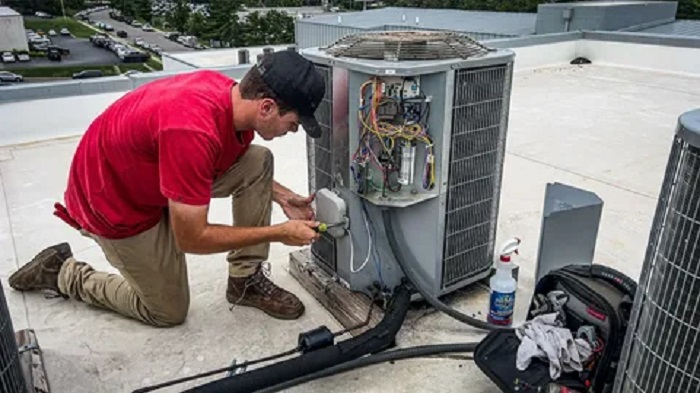
System type also affects duration. Installing a split system with both indoor and outdoor components involves coordinating refrigerant lines, electrical connections, and airflow paths. Heat pump systems may require additional calibration due to their dual heating and cooling function. Furnaces combined with air conditioning units add complexity compared to standalone systems.
Ductwork condition plays a significant role. If existing ducts are damaged, undersized, or poorly sealed, installation includes repair or replacement work. Proper duct preparation is essential for performance and cannot be rushed. This step alone may add several hours or an extra day to the project.
Electrical and control integration also require time. Modern HVAC systems rely on precise communication between thermostats, sensors, and control boards. Technicians must verify correct voltage, wiring integrity, and system response. Skipping these checks leads to operational issues later.
Permits and inspections can influence scheduling. Local regulations may require inspections before or after installation. While these steps do not increase hands on installation time, they can affect the overall project timeline depending on inspection availability.
Weather conditions may also impact outdoor installation work. Extreme temperatures, heavy rain, or snow can slow down certain tasks, especially when setting outdoor units or modifying external connections.
Final system testing and calibration are critical parts of installation. Technicians run the system under load, verify airflow balance, check pressure levels, and confirm correct thermostat operation. This ensures the system operates as intended from the first day of use.
Choosing an experienced HVAC provider helps keep installation on schedule. A professional service such as https://freedomebreeze.com/ plans installations with attention to technical details and coordination, reducing delays and ensuring accurate setup.
Installation time is not a measure of quality. A properly installed HVAC system requires careful execution rather than speed. When each step is completed correctly, the system delivers stable performance and avoids early operational issues